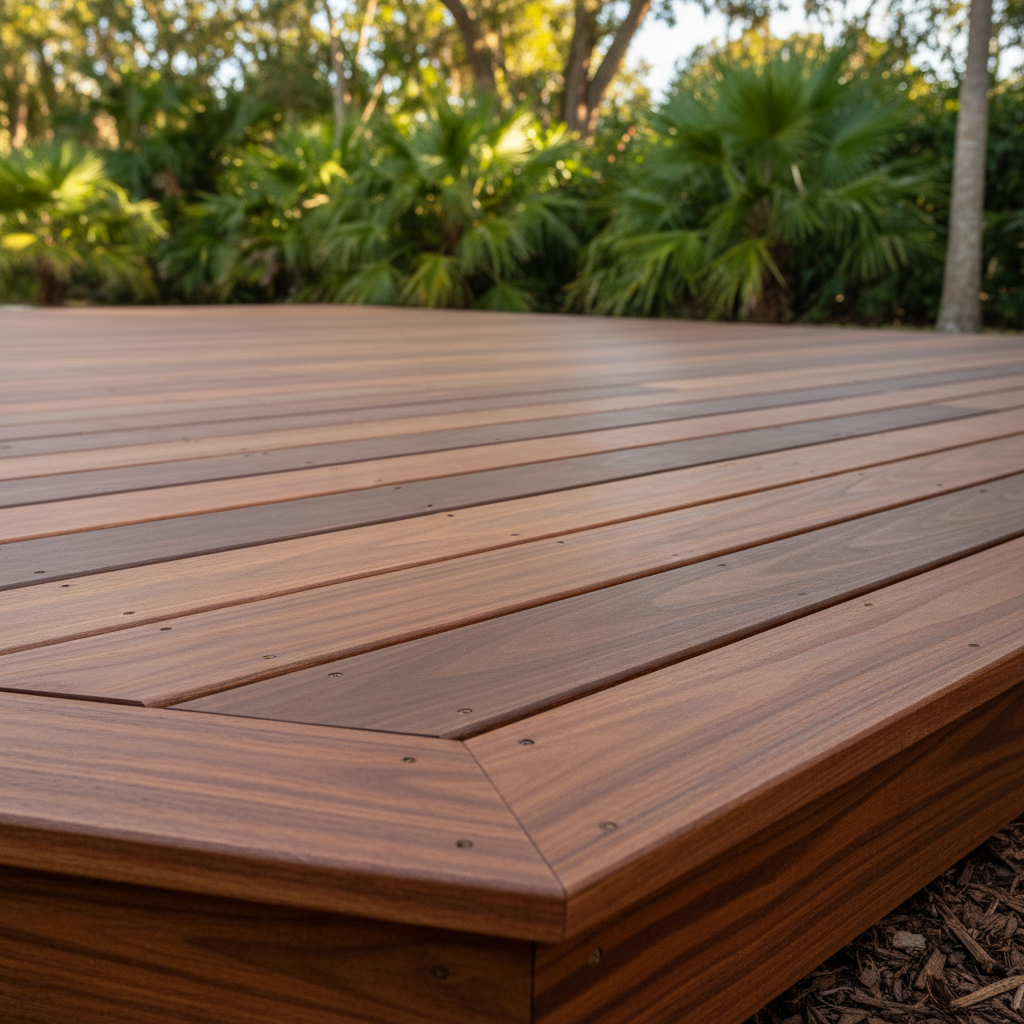
Thinking About a New Deck? Here's What You Need to Know.
So, you're dreaming of a new deck out back. Maybe you want a spot for the grill, a place to relax by the pool, or just more outdoor living space. That's a great idea, especially here in Coral Springs where we get to enjoy the outdoors pretty much year-round. But before you grab a hammer, let's talk about what goes into building a deck, what you might be able to handle yourself, and when it's really best to bring in a professional.
Before You Even Start Digging
First things first: permits. You can't just slap a deck down in your backyard. The City of Coral Springs, like pretty much every municipality, has rules. You'll need to get a building permit, and that means plans. These aren't just suggestions; they're about safety, structural integrity, and making sure your deck meets local codes. This is where a lot of homeowners get stuck. If you're not comfortable drawing up detailed plans that include things like footing depth, joist spacing, and ledger board attachments, you're going to need help. A good contractor, like us at Pacific Deck Company, handles all the permitting and design work. We know the codes inside and out, which saves you a ton of headaches and potential fines down the road.
Next, think about your design. What do you want? A simple square platform? A multi-level masterpiece? What kind of material? Pressure-treated wood is common, but composite decking is super popular now because it's low maintenance – no painting or staining, ever. Consider the sun exposure, how it connects to your house, and what kind of furniture you'll put on it. These decisions impact everything from the size of your footings to the type of fasteners you'll use.
The "During" Phase: Where the Rubber Meets the Road
Okay, plans are approved, materials are ordered. Now for the actual build. This is where the DIY vs. Pro question really comes into play.
- Demolition: If you're replacing an old deck, tearing it down yourself can save you some money. Just be careful, wear proper safety gear, and make sure you have a plan for hauling away the debris.
- Footings: This is critical. Your deck's stability depends entirely on its footings. Here in Coral Springs, with our sandy-loam soil, you need to make sure those footings are dug deep enough and poured correctly to prevent settling or shifting. This isn't a place to cut corners. If you've never poured concrete or aren't sure about frost lines (not a huge issue here, thankfully, but still important for stability), this is a job for someone who knows what they're doing.
- Framing: This is the skeleton of your deck. It needs to be perfectly level, square, and strong enough to hold the weight of people, furniture, and whatever else you put on it. Cutting joists, beams, and posts accurately, and attaching them securely with the right hardware, takes skill and precision. A mistake here can lead to a wobbly, unsafe deck.
- Decking Boards: Laying the actual deck boards can be a DIY-friendly task if you're patient and pay attention to spacing and fastening. It's repetitive, but satisfying. Just remember to account for expansion and contraction, especially with wood, and use the right fasteners for your chosen material.
- Stairs and Railings: These are surprisingly complex. Stairs need to be consistent in rise and run, and railings have strict height and spacing requirements for safety. This is another area where code compliance is huge, and getting it wrong can be dangerous.
Honestly, while some folks are incredibly handy and can tackle the whole thing, most homeowners find the framing, footings, and complex parts like stairs and railings are best left to a professional. It's not just about having the tools; it's about having the experience to anticipate problems and build something that's safe and lasts.
After the Build: Enjoyment and Maintenance
Once your deck is built, whether you did it or we did it, the "after" part is mostly about enjoying it! If you went with wood, you'll need to clean and seal or stain it regularly to protect it from our South Florida sun and humidity. Composite decks are much lower maintenance – usually just a good wash with soap and water a couple of times a year.
Give your deck a quick visual inspection every now and then. Look for loose boards, wobbly railings, or any signs of wear. Catching small issues early can prevent bigger problems later.
Building a deck is a big project, no doubt. But with the right approach, whether that's a DIY effort for parts of it or bringing in a trusted local contractor like Pacific Deck Company for the whole shebang, you'll end up with a fantastic outdoor space you'll love for years.