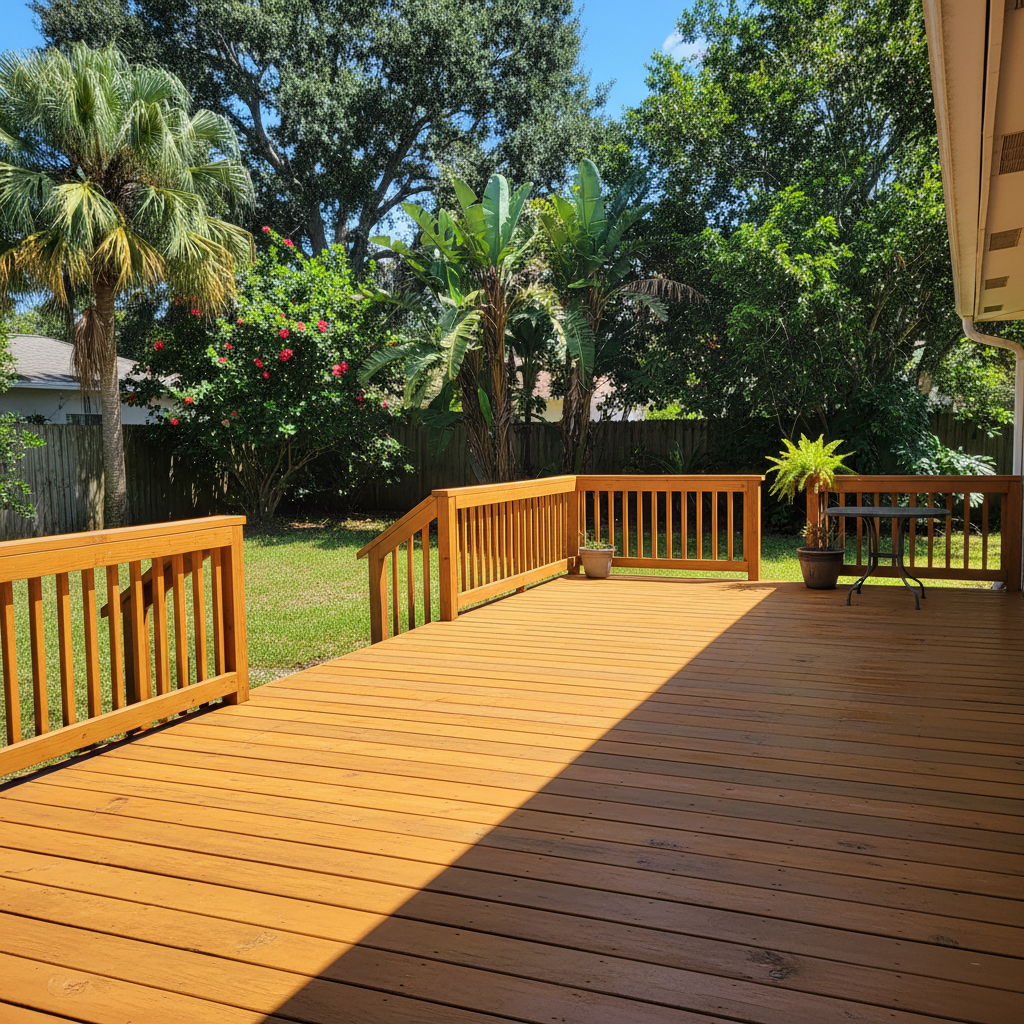
So, you've got a deck. Maybe we built it for you, or maybe it was there when you bought the place. Either way, it's a big investment, and it takes a beating out here in Coral Springs. Between the scorching sun, the heavy rains, and that famous Florida humidity, your deck is constantly under attack. You want it to last, right? Of course you do. That's why I'm going to walk you through what I've seen over the years about keeping decks in top shape, and how to spot trouble before it turns into a major headache.
Regular Maintenance: Your Deck's Best Friend
Think of your deck like your car; it needs regular check-ups to stay reliable. For decks, it's mostly about cleaning and protecting. You should be giving your deck a good scrub down at least once a year, maybe twice if it's under a lot of trees or gets heavy use. A simple pressure washer on a low setting (you don't want to blast the wood apart!) with a good deck cleaner works wonders. Get rid of all that mildew and algae that loves to grow in our damp climate. It's not just ugly; it traps moisture and can lead to rot.
After cleaning, you've got to protect it. For most wood decks, that means sealing or staining every 1-3 years. The sun here is brutal, and it'll dry out and crack unprotected wood faster than you can say 'hurricane season.' A good quality sealer or stain will repel water, block UV rays, and keep the wood from splintering. If you've got a composite deck, you're in luck; they're much lower maintenance, usually just needing a good wash. But even composites can get moldy or stained, so don't skip the cleaning.
Warning Signs: What to Look For
You don't need to be a deck expert to spot problems. Just take a good look at your deck every few months, especially after a big storm. Here's what I tell folks to keep an eye out for:
- Loose or Wobbly Railings: Give your railings a good shake. If they're moving more than a little, that's a safety hazard. Screws can back out, or wood can rot around the fasteners.
- Soft Spots or Spongy Wood: Walk around and feel the deck boards. If any areas feel soft or spongy underfoot, that's a strong indicator of rot. This is especially common in areas that stay wet, like under planters or where water pools.
- Cracked or Splintered Boards: Small cracks are normal, but large, deep cracks or excessive splintering mean the wood is drying out and losing its integrity.
- Rusting Fasteners: Look at the nails and screws. If they're rusty, they're not holding as well as they should, and the rust can stain the wood.
- Discoloration or Dark Spots: Beyond surface mildew, dark spots can indicate water penetration and the start of rot, especially around joints or where boards meet.
- Posts Not Firmly Attached: Check the posts that support the deck. Are they firmly anchored to the ground or concrete? Are there signs of rot at the base, which is common in our wet soil conditions, especially in older homes built on fill dirt?
Don't ignore these things. A small problem caught early is usually an easy fix. Let it go, and you could be looking at a much bigger, more expensive repair, or worse, a dangerous situation.
When to Call a Professional
Look, I'm all for DIY, but there are times when you really need to bring in someone who does this for a living. If you see any of the following, it's time to pick up the phone:
- Significant Rot: If you've got a lot of soft, rotted wood, especially in structural components like joists, beams, or support posts, that's beyond a simple patch job. Replacing structural elements requires proper knowledge and tools.
- Major Structural Instability: If your deck feels bouncy, sways when you walk on it, or if posts are visibly leaning or detached, that's a serious safety issue. Don't use the deck until it's inspected and repaired.
- Foundation Issues: If the concrete footings are cracked, sinking, or if the ledger board (the board attaching the deck to your house) is pulling away, you need a professional assessment immediately.
- Pest Infestation: Termites love damp, rotting wood. If you suspect pests are making a meal out of your deck, you'll need pest control and then structural repairs.
At Pacific Deck Company, we've seen it all. From minor board replacements to full structural overhauls, we can assess the damage, give you an honest opinion, and make sure your deck is safe and sound for years to come. Don't wait until it's too late. A little proactive care goes a long way in keeping your outdoor living space enjoyable and secure.