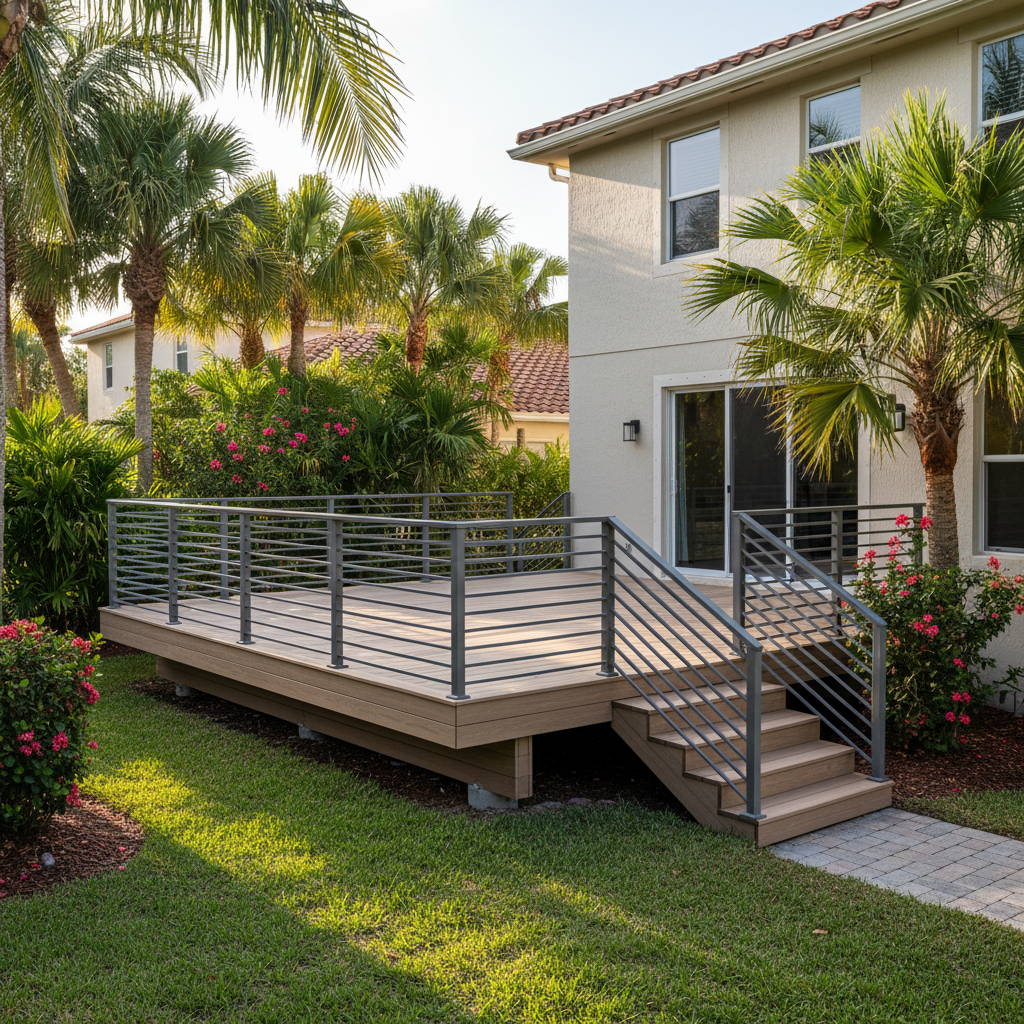
Alright, let's talk metal decks here in Coral Springs. You're probably seeing more and more of 'em, and for good reason. They're tough, they look sharp, and they can really stand up to what South Florida throws at them. But just because they're durable doesn't mean you can ignore our local climate when you're thinking about one. There's a right way and a wrong way to approach metal deck installation and upkeep around here, and I want to make sure you know the difference.
When to Schedule Your Metal Deck Project
Timing is everything, especially in a place like Coral Springs where the weather can swing from glorious sunshine to a tropical downpour in minutes. When's the best time to get a metal deck put in? Honestly, it's usually during our dry season, which runs roughly from November through April. Why then?
Less Rain, Fewer Delays: This one's a no-brainer. We need dry conditions for proper foundation work, cutting, and fastening. Trying to pour concrete footings or even just keep tools from getting soaked during our summer rainy season is a nightmare. It slows everything down, and frankly, it can compromise the quality of the work if we're constantly battling moisture.
Comfort for the Crew: Look, I'm not gonna lie, working outside in July with 90% humidity and 95-degree heat is brutal. While we're pros and we get the job done, scheduling during the cooler, drier months means a more efficient, less fatigued crew. That translates to better focus and a smoother installation for you.
Better Material Handling: Metal expands and contracts with temperature changes. While we account for this in our designs, installing during more moderate temperatures helps everything settle in nicely without extreme thermal stress right off the bat.
Can we do it in the summer? Sure, we can. But you've got to be prepared for potential delays due to daily thunderstorms, and sometimes we have to start earlier to beat the heat or work around the afternoon downpours. If you've got the flexibility, aim for the cooler months.
Weather Conditions That Affect the Work
It's not just about rain or shine; there are a few specific weather factors we're always keeping an eye on when we're building a metal deck:
Rain and Humidity: As I said, rain is the big one. We can't work effectively in heavy rain. High humidity, while not stopping work, can make things like welding more challenging and just generally slows down the pace. We also need to be careful about storing materials in high humidity to prevent surface rust on certain components before they're installed and sealed.
Heat: Extreme heat isn't just tough on the crew; it can affect the materials. Metal surfaces get scorching hot, making them difficult to handle. We have to take extra precautions to protect ourselves and ensure that any sealants or coatings cure properly without drying too quickly or unevenly.
Wind: Coral Springs isn't usually known for super high winds outside of hurricane season, but even moderate gusts can be a problem when you're trying to hoist large metal beams or panels. Safety is always our number one priority, so if the wind picks up, we might have to pause certain parts of the installation.
Lightning: This is a non-negotiable stop. If there's lightning in the area, all work stops immediately. No deck is worth risking a life.
Protecting Your Metal Deck Investment Year-Round
So, you've got your beautiful new metal deck from Pacific Deck Company. Now what? You want it to last, right? Here's how to protect that investment, especially with our unique South Florida challenges:
Regular Cleaning: This is probably the easiest and most overlooked step. Our humidity means mildew and algae love to grow on everything. A simple wash with mild soap and water, maybe a soft brush, will keep your deck looking fresh. Don't let grime build up, especially if your deck is under a big oak tree dropping leaves and pollen. That stuff holds moisture and can lead to staining or even corrosion over time if left unchecked.
Check for Debris: We get a lot of stuff blowing around here – leaves, pine needles, even small branches. Make sure you're regularly clearing any debris, especially from corners, joints, and drainage areas. Trapped debris holds moisture and can lead to localized corrosion.
Inspect Fasteners and Connections: Twice a year, give your deck a good once-over. Look at all the screws, bolts, and welds. Make sure nothing's loose or showing signs of excessive wear. If you see anything concerning, give us a call. It's always better to catch a small issue before it becomes a big one.
Mind the Salt Air (Even Inland): While we're not right on the beach, the salt in the air can still travel, especially during certain weather patterns. If you're noticing any white powdery residue or surface rust, address it promptly. Most modern metal decks are coated for corrosion resistance, but scratches or dings can expose the underlying metal.
Professional Inspection: Every few years, it's a good idea to have a professional like us at Pacific Deck Company come out and give your deck a thorough inspection. We know what to look for, from structural integrity to the condition of coatings and fasteners. Think of it like getting your car serviced – preventative maintenance saves you money in the long run.
A metal deck is a fantastic addition to any Coral Springs home, offering durability and a modern look that really holds up. Just remember that even the toughest materials need a little love and attention, especially with our Florida weather. Take care of it, and it'll take care of you for decades to come.